
Join Dr Touzet, for this engaging talk on microalgae and how they constitute a very diverse group of microorganisms that possess complex evolutionary origins.
Over geological times, they have massively contributed to the production of the molecular oxygen that aquatic and terrestrial animals need to respire. They are ubiquitous all over the world and have colonised numerous habitats. In aquatic systems, they essentially constitute the basis of the food chain and hence help sustain complex communities of organisms.
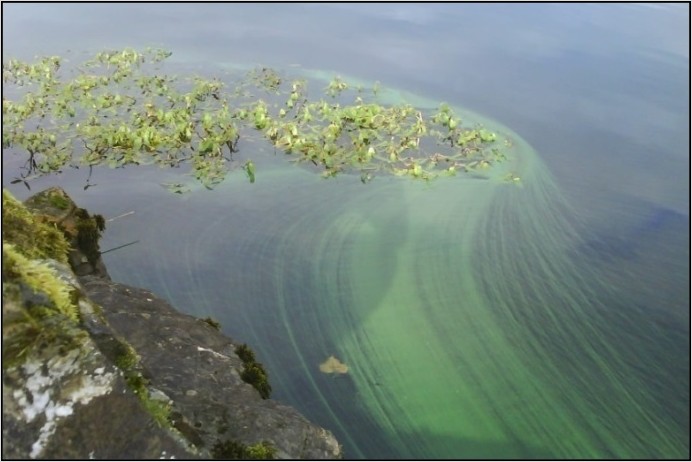
Many species of microalgae contain chemical compounds that are perceived as bioactive by other organisms, big and small. Such compounds can manifest very potent toxicity and represent a threat to environmental health. For instance, massive mortalities of fish or invertebrates have been observed where ‘blooms’ of particular microalgal species have developed. Equally, high risks for human health can ensue when blooms develop in water bodies that may be used for recreational activities or for drinking water abstraction. Some very potent algal toxins can also bioaccumulate in the shellfish species which are consumed by humans all over the world.
On the other hand, some microalgal species are rich in health-promoting compounds with for example antioxidant, anti-inflammatory or anti-microbial properties. Such species have been authorised for human consumption and are widely found in many health food shops as tablets or dried powder.
The duality of microalgae will be discussed here from the perspectives of constituting a threat to health as well as a source of health-promoting natural compounds.
Tuesday 10 November07:00 pm - 08:30 pm
Fees:
Free
Admission Type:
Pre-book
