
Published in Blog - 8 min read - Aug 13, 2026
Most of us have a connection to the sea. Whether it’s a walk along the coast, a swim on a sunny day, fresh seafood on the table or simply knowing that we’re never far from the shoreline, the ocean is woven into life in Ireland.
But beneath the waves, our marine environment is under increasing pressure. Climate change, habitat loss, pollution and unsustainable activities are placing enormous strain on the wildlife and ecosystems that keep our seas healthy.
Fair Seas is a coalition of Ireland’s leading environmental organisations working together to help protect the ocean. Our goal is simple but ambitious: to ensure that at least 30% of Ireland’s waters are effectively protected through well-managed Marine Protected Areas (MPAs) by 2030.
Marine Protected Areas are places where nature is given the space it needs to recover and thrive. Depending on the area, different activities may be managed to protect important habitats and wildlife. They aren’t about closing off the sea, they’re about using it more wisely so it can continue supporting nature, coastal communities and future generations.
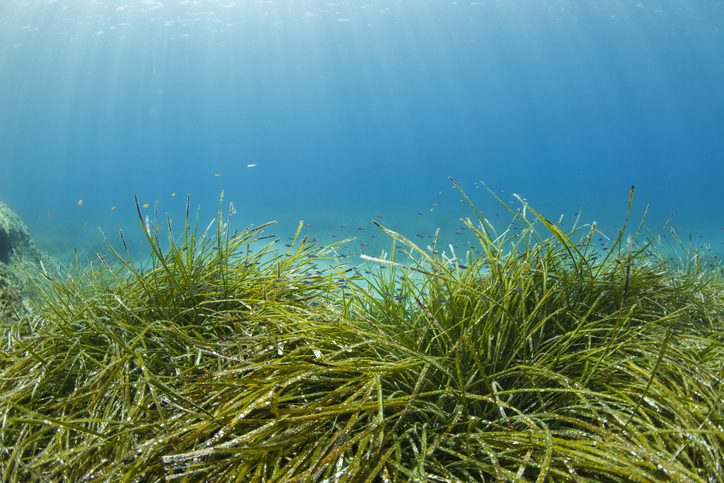
Seagrass plays a remarkable role in tackling climate change. It captures and stores carbon in its leaves, roots and the seabed beneath it for decades, sometimes even centuries.
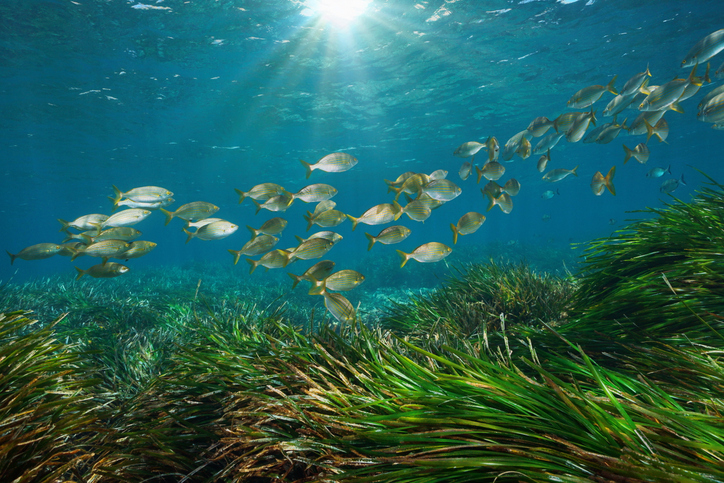
Around the world, well-managed MPAs have been shown to increase biodiversity, help fish populations recover and make marine ecosystems more resilient to climate change. They are one of the most effective tools we have for protecting the ocean.
It’s easy to think that protecting the ocean only matters if you’re from a fishing community, or a diver or marine scientist. In reality, healthy seas benefit all of us.
The ocean helps regulate Earth’s climate by acting as a giant heat and carbon sink. It absorbs around 90% of the excess heat trapped by greenhouse gases and about a quarter of the carbon dioxide released by human activities. Tiny marine plants called phytoplankton use carbon dioxide during photosynthesis, while seagrass meadows, saltmarshes and seabed sediments capture and store carbon for decades or even centuries. Ocean currents also redistribute heat around the planet, helping to moderate global temperatures and weather patterns.
When marine habitats are damaged, we don’t just lose wildlife, we weaken the natural systems that support our economy, our wellbeing and our fight against climate change.
Seagrass is an underwater flowering plant that grows in shallow coastal waters. Seagrass is not a type of seaweed and it’s actually not a true type of grass either. Seagrass is more closely related to lilies on land. These meadows are among the hardest-working habitats in the ocean.
Often described as the “nurseries of the sea”, seagrass meadows provide shelter for juvenile fish, crabs and shellfish during the earliest stages of their lives. Healthier nursery habitats mean healthier fish populations, supporting fisheries long into the future.
Seagrass also plays a remarkable role in tackling climate change. It captures and stores carbon in its leaves, roots and the seabed beneath it for decades, sometimes even centuries. This “blue carbon” helps reduce the amount of carbon dioxide in the atmosphere while also improving water quality by trapping sediment and nutrients.
Sadly many of Ireland’s Seagrass meadows have disappeared due to pollution, poor water quality and damage from human activities. Protecting and restoring habitats like seagrass is one of the most effective ways we can improve the health of Ireland’s seas and fight climate change at the same time.
When it comes to identifying parts of the ocean that need protecting and evaluating how management measures are helping to improve things, scientific research is only part of the story. For meaningful change to happen, people need opportunities to discover, understand and connect with the science behind ocean protection.
That’s why initiatives such as Science Week are so valuable.
Science Week brings researchers, educators, environmental organisations and communities together to explore how science shapes our everyday lives. If Marine Protected Areas are really going to work, they need to be understood, supported and even co-designed by local communities.
Integrating local and traditional knowledge held by communities is key to ensuring MPAs really work, because so much practical knowledge can sometimes only be gained over generations of experience living in an area, information that cannot be gathered by even the most advanced scientific surveys.
There are real reasons to be hopeful about Ireland’s ocean. Since Fair Seas launched in 2022, Marine Protected Areas have grown from 2.1% to over 9% of Ireland’s waters, with a national commitment to protect 30% by 2030. New initiatives, including the €25 million MPA LIFE project, are helping build the science and community partnerships needed for effective protection.
However, designation alone isn’t enough. Protected areas need strong management, monitoring and enforcement to deliver real benefits for nature and people. By combining science, local knowledge and meaningful community engagement, Ireland can turn ambition into lasting action.
For more information, visit fairseas.ie

