Published in Blog - 8 min read - Sep 7, 2026
As Science Week 2026 shines a spotlight on the theme of Water, it is fitting to recognise one of Ireland’s most successful examples of community-led action in protecting and supplying this vital resource: the group water scheme (GWS) sector. For generations, group water schemes have played a crucial role in ensuring that rural families have access to safe, clean and reliable drinking water, while also fostering a deep sense of community ownership and environmental stewardship.
Representing more than 380 group water schemes that collectively supply drinking water to over 200,000 people in rural Ireland, the National Federation of Group Water Schemes (NFGWS) supports and represents schemes in their delivery of safe, high-quality drinking water while promoting greater water awareness. The story of group water schemes is about far more than infrastructure and treatment systems, it is a story of communities working together to address local challenges, protect water sources and safeguard public health for future generations.
For many rural communities, access to a dependable source of potable drinking water was once a significant challenge. Group water schemes emerged through local initiative, determination and co–operation, with neighbours coming together to secure a reliable supply for their families and future generations. Today, these schemes continue to demonstrate how community-led solutions can deliver essential services while maintaining strong local engagement and accountability.
The science behind delivering safe drinking water is both complex and fascinating. Water must be carefully sourced, treated, tested and monitored to ensure it meets strict quality standards. Group water schemes work closely with local authorities, government departments, water professionals and others to maintain these standards, while managing supplies that communities can trust. Behind every glass of water is a combination of scientific expertise, technological innovation and local commitment.
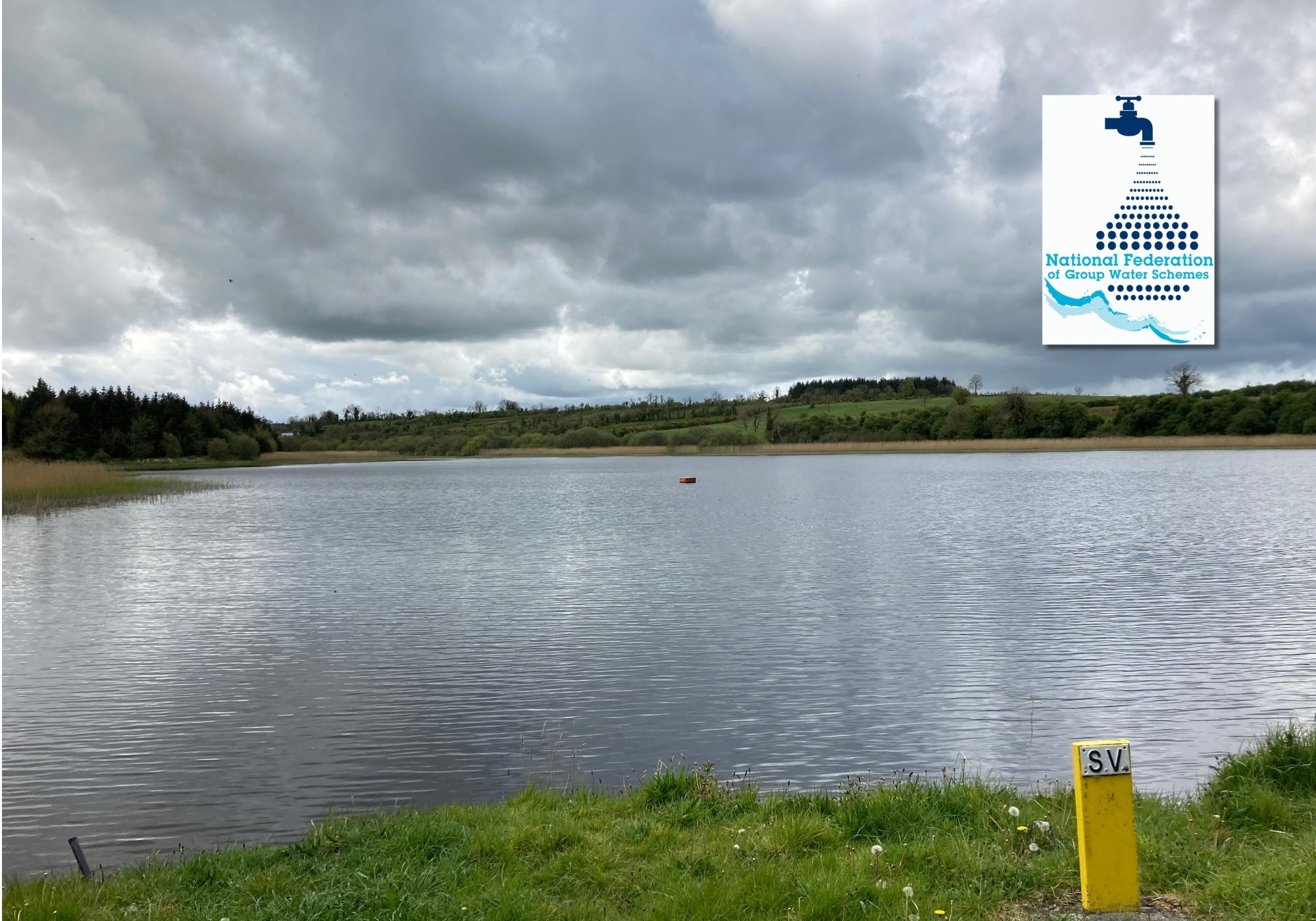
The NFGWS is committed to helping people understand where their drinking water comes from and why protecting it matters. Safeguarding water sources is essential to ensuring a sustainable supply of clean drinking water, and rural communities play a vital role in this effort. From farmers and householders to schools and community groups, everyone has a part to play in preventing pollution and protecting local rivers, lakes, springs and groundwater sources for future generations.
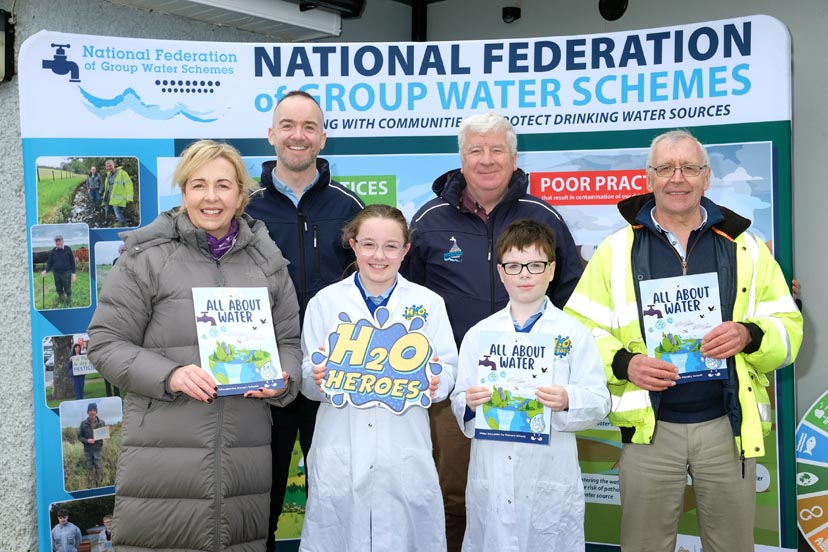
Education and community outreach are central to this work. One of the NFGWS’s most successful initiatives is the ‘All About Water’ educational book. Developed in partnership with the Centre for Freshwater and Environmental Studies at Dundalk Institute of Technology (DkIT) with the support of Research Ireland, it aims to increase water literacy among young people. Available in both English and Irish, the publication introduces children to the water cycle, drinking water treatment, water conservation and environmental protection in an engaging and accessible way. By connecting scientific concepts with everyday experiences, the book helps young learners appreciate the importance of water and understand the role they can play in protecting it.
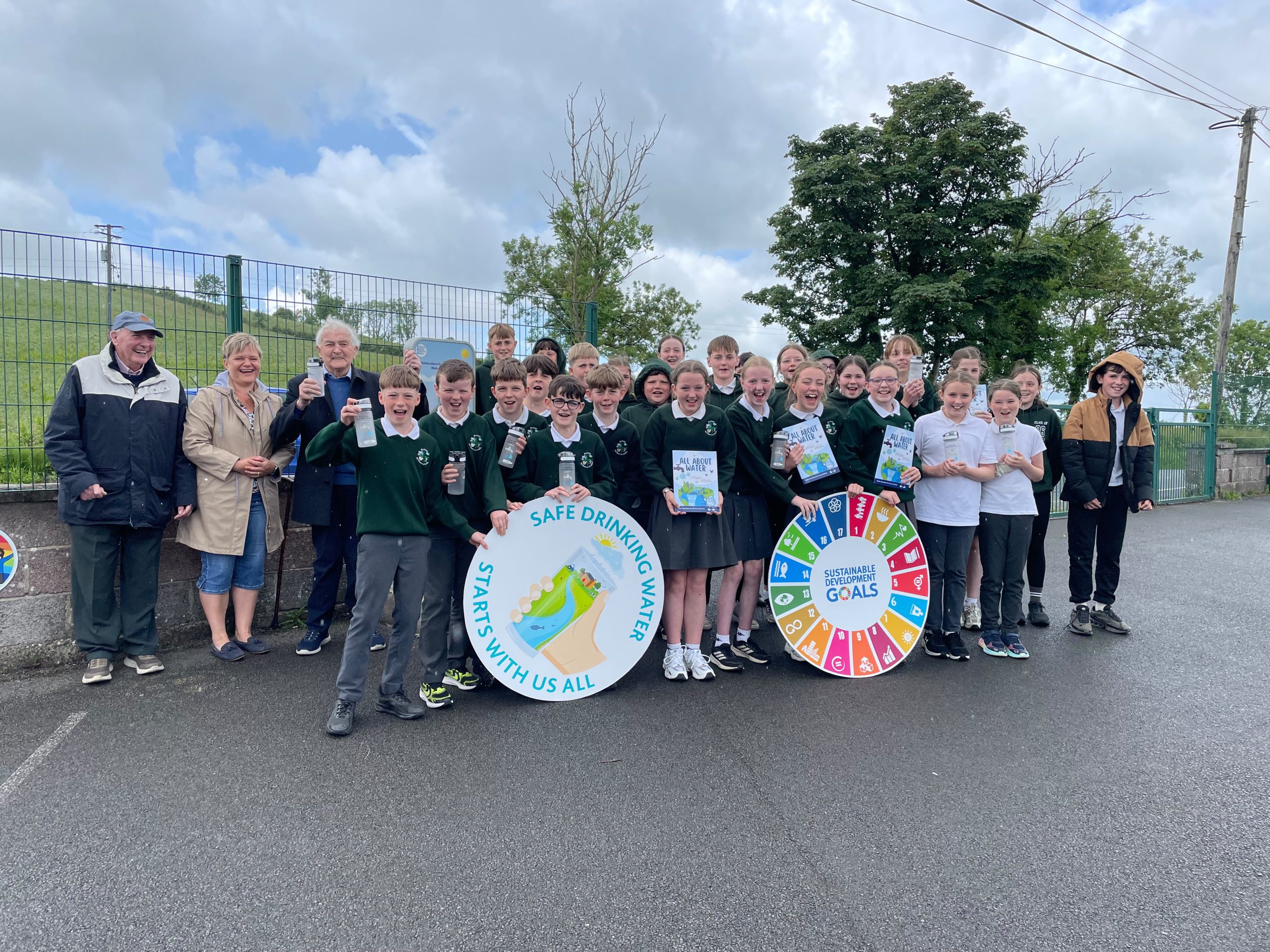
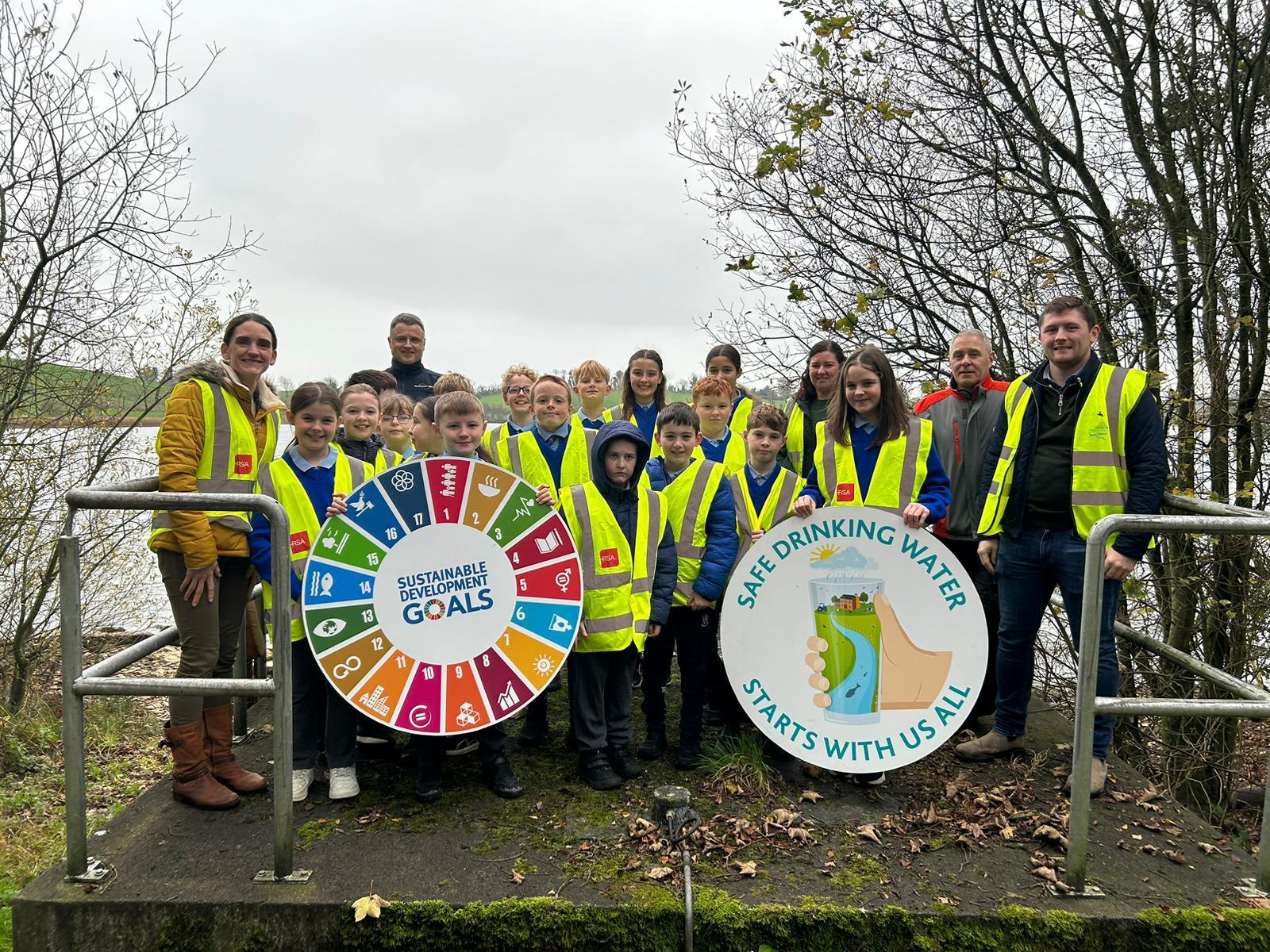
The NFGWS also engages directly with young people through its group water scheme school visit programme. By bringing students to their local scheme and connecting science with everyday life, these visits help children learn about drinking water, source protection and environmental responsibility from the people who help deliver it to their communities.
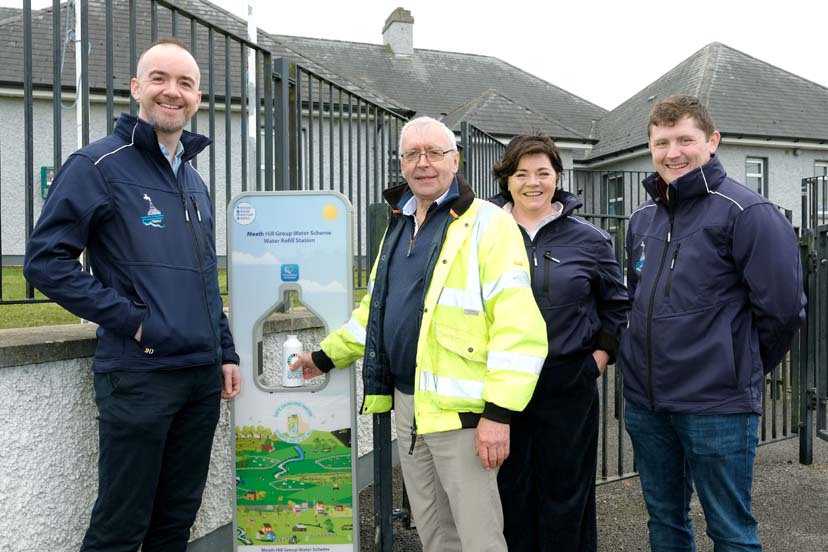
Another innovative outreach project is the NFGWS Drinking Water Refill Station Project, funded through the Department of Climate, Energy and the Environment’s Circular Economy Fund. Located in communities across Ireland, these refill stations encourage people to choose fresh drinking water over single-use plastic bottles, promoting both public health and environmental sustainability. The stations provide convenient access to high-quality drinking water while reinforcing the message that clean water is a valuable shared resource. They have become focal points within communities, highlighting how water infrastructure can support environmental goals and strengthen local connections.
What makes GWSs particularly special is their community-centred nature. Unlike many utility services, GWSs are deeply rooted in the areas they serve. Management committees are made up of local volunteers who understand the needs of their communities. This close relationship helps build trust and encourages active participation in decision-making and source protection efforts.
As Ireland faces growing challenges linked to climate change the importance of community involvement has never been greater. Protecting drinking water sources requires ongoing scientific research and collective action. GWSs provide an excellent example of how local engagement, combined with technical expertise, can create resilient and sustainable water services.
During Science Week 2026, the work of the NFGWS offers a powerful reminder that water is much more than a resource, it is a shared responsibility. Through education programmes, school engagement, refill station projects and ongoing commitment to source protection, group water schemes continue to empower communities while delivering safe, clean drinking water to rural families across Ireland.
Their success demonstrates that when communities come together around a common purpose, they can achieve remarkable outcomes. By combining science, sustainability and community spirit, Ireland’s group water schemes are helping to protect one of our most precious resources and inspiring the next generation to value and safeguard water for years to come.
This Science Week, ask yourself one simple question: “Where does my water come from?” The answer connects science, community and sustainability and demonstrates how we all have a role to play in protecting Ireland’s most precious natural resource.
For more information, visit nfgws.ie