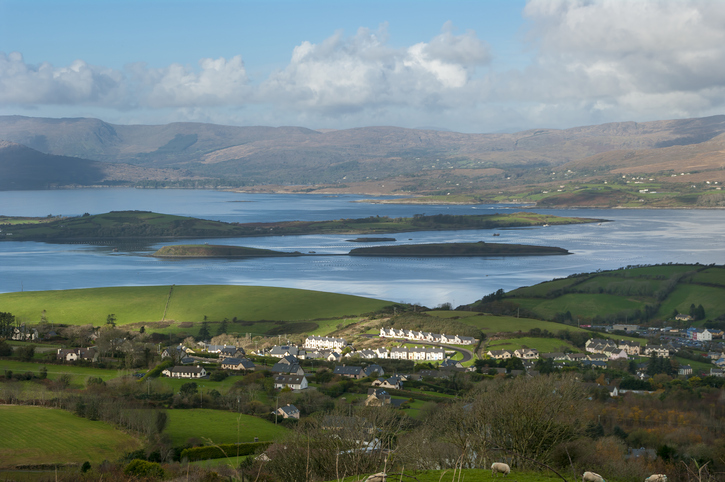
Seabed Sanctuary is a not-for-profit community group advocating for Bantry Bay’s marine environment through the creation of an underwater sculpture garden. The group, which includes a diverse team of artists, environmentalists, marine professionals, scientists and enthusiasts, formed in response to social and ecological challenges faced by Bantry Bay’s marine environment and its inhabitants. Currently in its research and development phase, the underwater sculpture garden is being designed to act as both a sanctuary for marine wildlife and as an immersive educational attraction. Our primary goal is to foster a unique collaboration between art and environmental stewardship for both social and environmental impact – inspiring awareness, engagement and wonder, and enhancing marine biodiversity through the creation of site-responsive habitats.
The first of its kind in Ireland, the underwater sculpture garden will be a model for community-led, socially engaged marine conservation, where creative expression and scientific research converge to protect the unique marine ecology of Bantry Bay. Image by Orla de Brí.
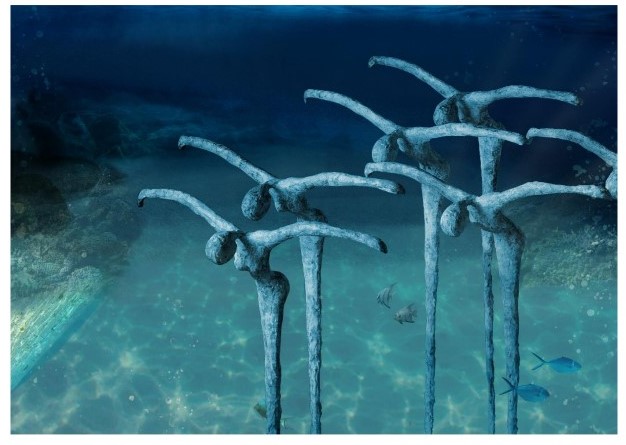
The first of its kind in Ireland, the underwater sculpture garden will be a model for community-led, socially engaged marine conservation, where creative expression and scientific research converge to protect the unique marine ecology of Bantry Bay. Sculptures created by artists from across the country will serve as works of art as well as habitats and refuges for locally important species, such as angel sharks, kelp, native oysters, and more. Visitors to the Sanctuary, whether they swim, dive, snorkel, or use glass-bottom boats, will have the opportunity to explore this unique underwater world and experience first-hand the benefits of locally led, socially engaged marine protection. In addition, through the involvement of local communities and eco-tourists in citizen science initiatives, the Sanctuary will become a vital resource for education, marine stewardship, and West Cork’s sustainable tourism economy.
Seabed Sanctuary is an artists’ initiative whose mission is to advance and advocate for the protection and restoration of Ireland’s marine and coastal biodiversity. We also aim to support the connections between freshwater and marine ecosystems. Backed by scientific research and citizen science, the artistic works in the project are key to enhancing awareness of the crucial role that biodiversity plays in maintaining the health of our oceans as well as of human society. At the same time, the artistic works also enhance the very same biodiversity they promote, by serving as habitats and refuges for critically important and endangered local species.
In partnership with marine and acoustics experts, we use ecoacoustic and visual monitoring to gather data, and aim to use real-time video footage to educate the public on marine ecology. We are also researching the potential of underwater and land-based live-stream cameras to provide continuous visual access to the Sanctuary. Online viewers will be able to witness the Sanctuary in its natural state, observing marine life and the rhythms of nature intertwining with art, through the widely accessible digital medium.
We aim to support the local economy by promoting partnerships with providers of kayak rentals, boat charters, and other sustainable tourism services, to enable visitors to experience the beauty of the Sanctuary and of Bantry Bay while reducing negative impacts to the natural environment.
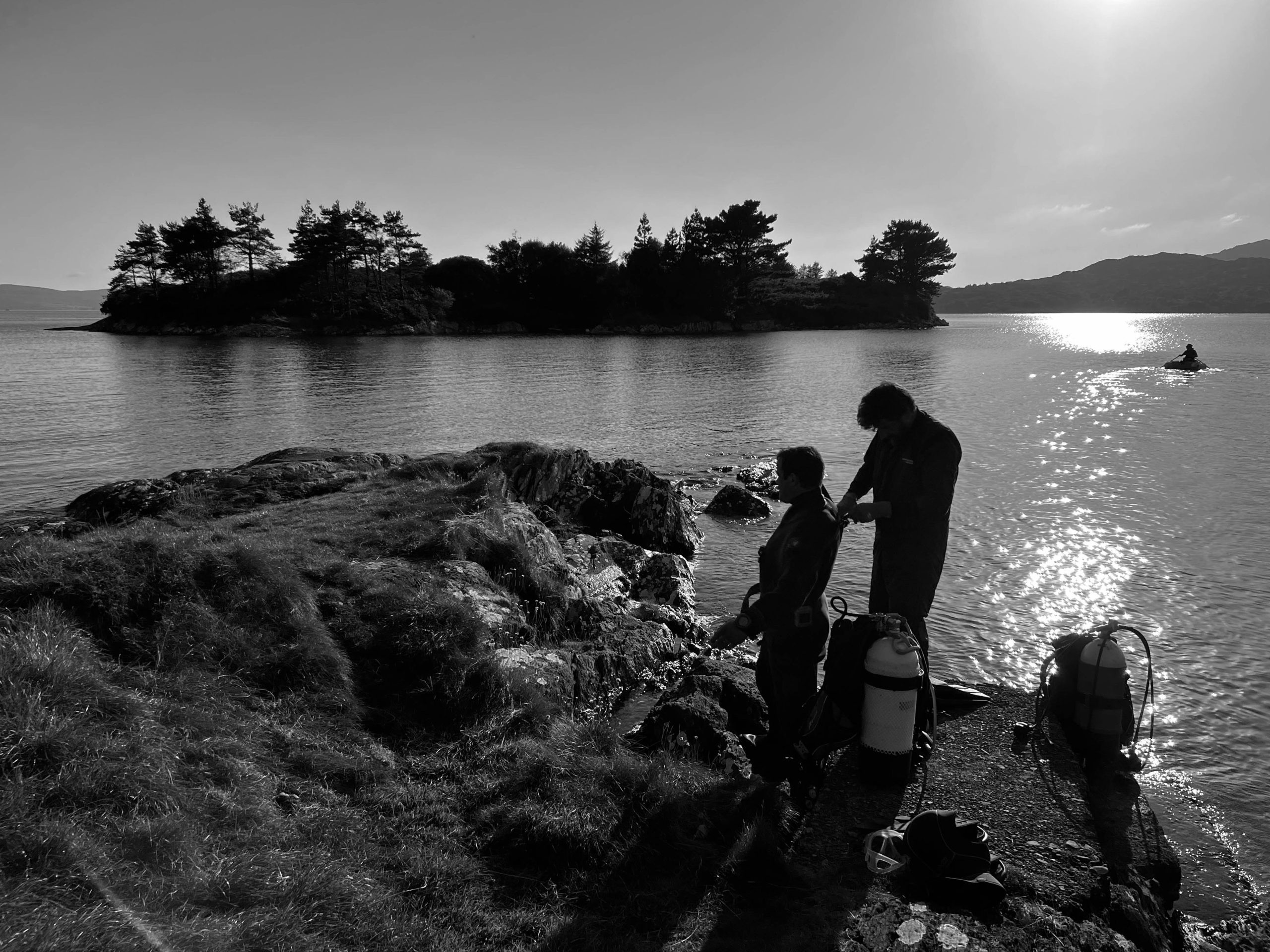
A pivotal part of our research efforts is the Sounds of Water, Land and the City – Fuaimeanna an uisce, na talún agus na cathrach project. This initiative uses ecoacoustic monitoring systems to gather baseline data about the biodiversity of the seabed and the surrounding environment in Bantry Bay in a coastal gradient. Installed in the spring of 2024, the monitoring devices record audio from marine life, along with key environmental parameters such as salinity, water temperature, as well as the soundscape and microclimatic conditions on land. The data collected helps us understand how biodiversity evolves in marine and freshwater areas and how climate change at global level, including the weakening of the AMOC circulation (the ‘Gulf Stream’), is affecting coastal ecosystems locally in Ireland. By documenting the sounds and rhythms of the marine environment, this interdisciplinary project blends scientific research, community action and artistic interpretation to raise awareness of the subtle but critical changes to our local marine ecosystems as a result of global environmental challenges. This research will continue to inform our conservation strategies while also inspiring artistic creations that communicate the importance of marine biodiversity to the wider public in urban areas.
By engaging with the public through collaborations and initiatives such as Science Week, we aim to inspire a stronger connection to and sense of stewardship of our coastal waters; to share our vision with wider scientific and artistic communities in accessible ways, with a view to possible collaborations, partnerships and sponsorships; and to expand the reach of our plans and vision to decision-makers and legislative authorities.
For more information, visit seabedsanctuary.org