At The Water Forum, we bring together different sectors and interests to examine questions like this and provide independent advice on Ireland’s water policy and management to Government, Uisce Éireann and the Commission for Regulation of Utilities.
Water conservation is a shared responsibility
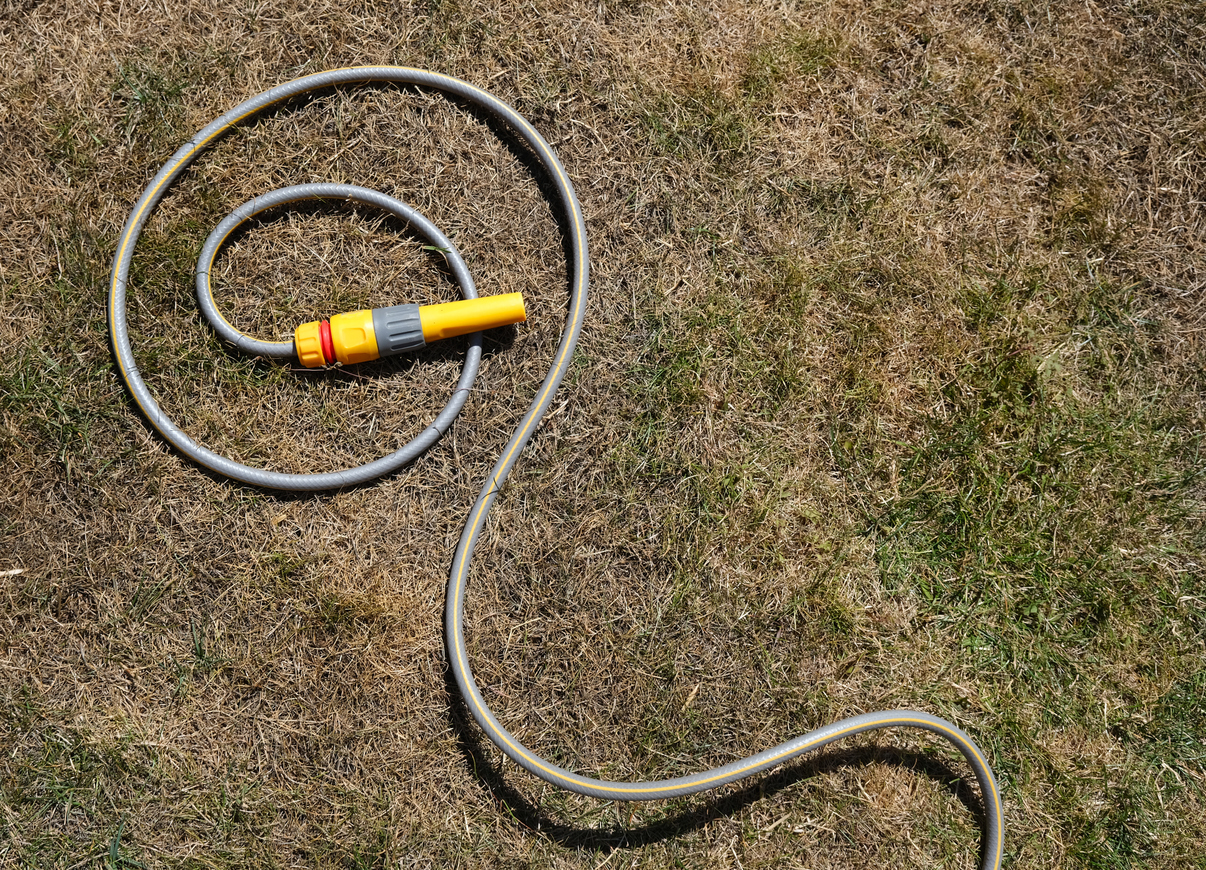
When supplies are under pressure, we’re all asked to use water carefully – don’t use a hose, avoid filling paddling pools, take shorter showers. Those everyday actions matter. But long-term water conservation also requires action across the wider water system.
It also means reducing the amount of treated drinking water lost through leaks. It means designing homes and buildings to use less water. It means having better information about how and where water is being used. And it means helping businesses, communities and all of us better understand and manage the water we use.
In June, The Water Forum brought together representatives from Government, Uisce Éireann, regulators, the group water sector, local authorities, academia, business and civil society for a national Water Conservation Workshop to help inform Ireland’s forthcoming National Water Conservation Strategy.
Four priorities emerged: helping people understand and value water; reducing leakage and making better use of metering and data; improving water efficiency in buildings; and strengthening water stewardship across business and industry.
The message was clear: water conservation needs to become part of how we manage water every day, not something we think about only when supplies are running low.
What difference can small changes make?
Independent research commissioned by The Water Forum looked at water-saving technologies such as more efficient taps, showers and toilets in new homes.
The research found that a package of low-to-moderate-cost measures costing less than €180 per new home could reduce water use from an estimated 110 litres to 90 litres per person per day.
Scale those measures across the 303,000 new homes committed to by the Irish Government and the research estimated potential savings of 2.2 billion litres of water every year, while also reducing the costs of supplying drinking water and treating wastewater.
It is a good example of how relatively small changes, when repeated at scale, can reduce pressure on water supplies and contribute to greater resilience, helping us to prepare before periods of high demand or prolonged dry weather occur.
Looking beyond the tap
Most of us don’t think very much about water until something goes wrong.
We turn on the tap and expect clean running water to be there. We don’t necessarily think about where it came from, how it reaches us, or everything that needs to happen to make sure there is enough to meet demand.
And when it rains again after a dry spell, it’s easy to assume the problem has been solved. As we saw this summer, it isn’t always that simple.
Science Week is about being curious about the world around us, including the things we often take for granted. Water is one of them.
So this Science Week, we’re inviting you to take a closer look at water. How much do you know about the waters around you? What needs to happen beyond our own homes to conserve water? And what can research tell us about using water more wisely?
Because perhaps the lesson from our lovely summer is that even in a country famous for rain, we cannot take water for granted.
For more information, visit thewaterforum.ie