Published in Blog - 8 min read - Aug 17, 2026
Water is central to life in Ireland, shaping our landscapes, communities and way of life. Our rivers, lakes, canals and extensive coastline provide opportunities for recreation and tourism, support biodiversity, and contribute to the wellbeing of communities across the country. However, Ireland’s waterways can also present significant risks. Water Safety Ireland (WSI) is the statutory body responsible for promoting water safety and reducing drowning. Through education, training, research, public awareness and community engagement, WSI works to help people enjoy Ireland’s waterways safely
At the heart of WSI’s work is a simple principle: understanding water helps save lives. Through data collection, evidence-based interventions and public education campaigns, WSI works to ensure that people can enjoy Ireland’s waterways safely while developing a greater awareness of the risks associated with water.
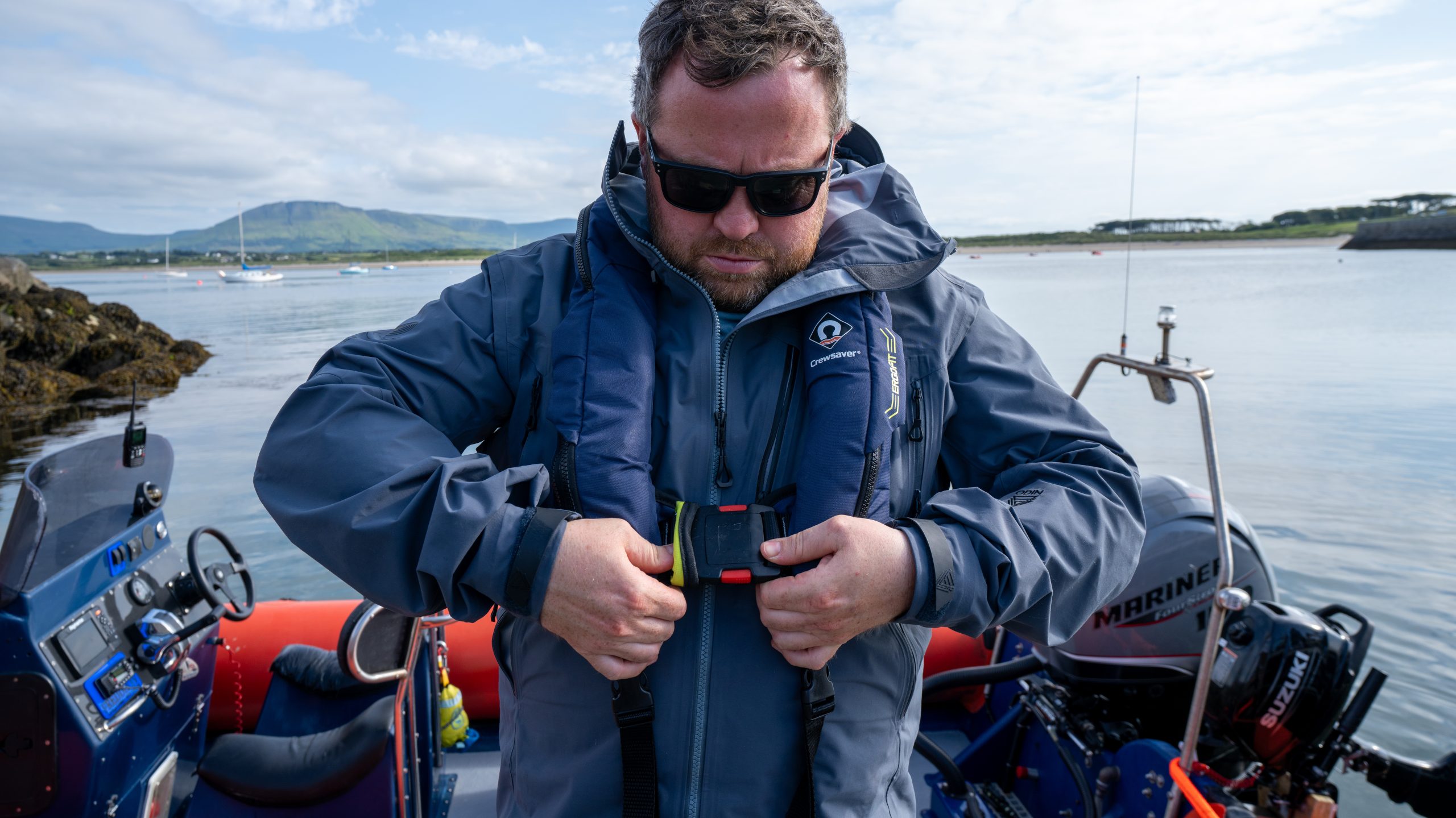
Small actions can make a big difference. Checking weather forecasts and tides, wearing a lifejacket, staying away from edges, and sharing plans with others can help prevent tragedies.
A key example of this work is WSI’s ongoing research and analysis of drowning incidents across Ireland. The organisation publishes annual drowning reports that provide valuable insights into where, how and why people drown. These reports help identify emerging trends and inform targeted safety campaigns designed to reduce preventable deaths:
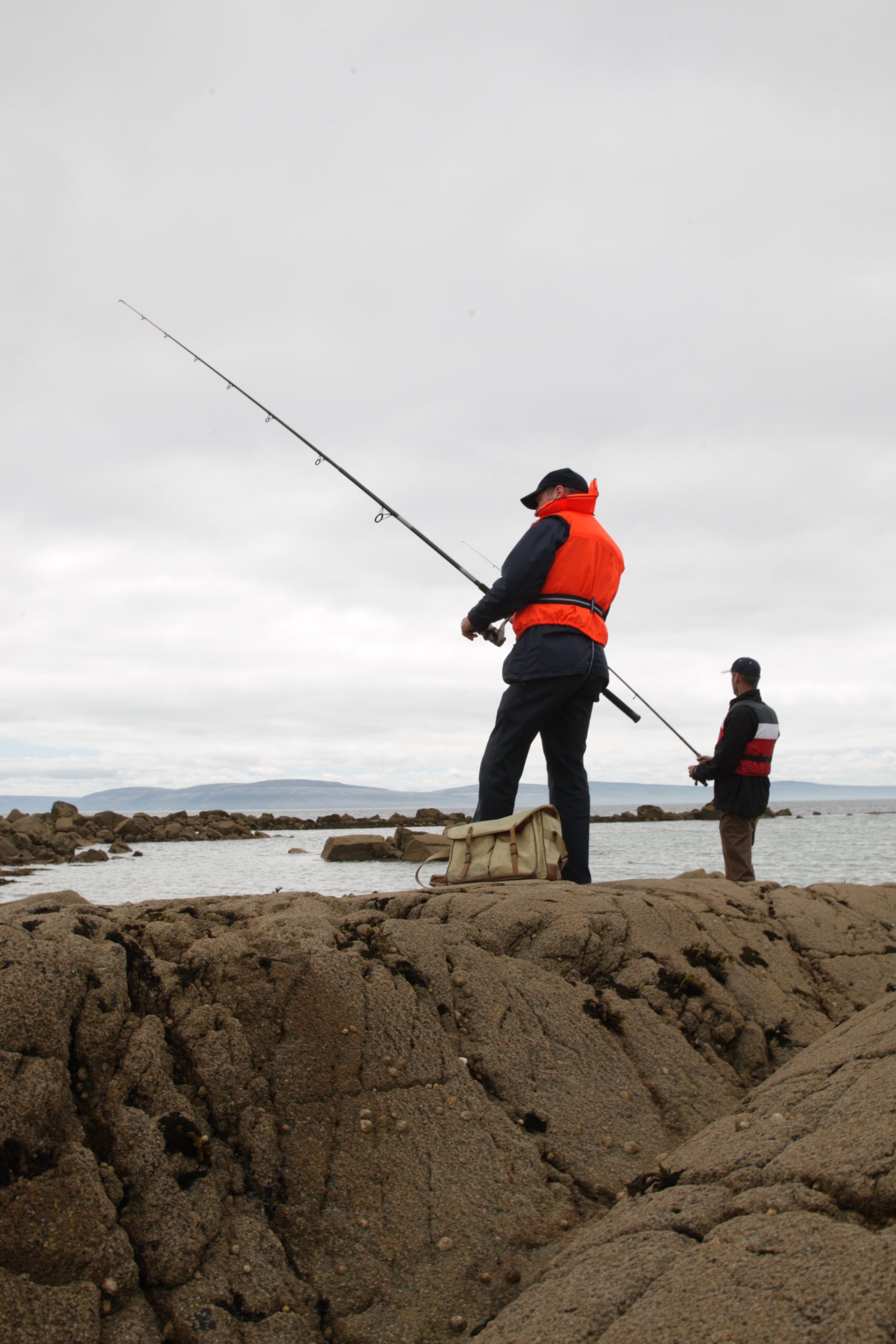
Recent findings challenge some common assumptions about water-related risk. While many people associate drowning primarily with swimming or boating accidents, WSI’s research shows that a significant proportion of accidental drownings occur during everyday land-based activities. Between 2019 and 2023, 65% of accidental drownings were preceded by activities such as walking, hiking, fishing from shore, cycling or driving near water. By comparison, 26% were linked to swimming, bathing or other water-based recreation.
This evidence has directly informed public awareness initiatives such as the ” Awareness is your lifesaver” campaign. The campaign highlights how slips, falls and unexpected immersion can quickly turn an ordinary day into an emergency. Whether someone is walking a dog along a riverbank, fishing from a rocky shoreline or exploring coastal paths, understanding changing environmental conditions can significantly reduce risk.
 Between 2019 and 2023, 65% of accidental drownings were preceded by activities such as walking, hiking, fishing from shore, cycling or driving near water. By comparison, 26% were linked to swimming, bathing or other water-based recreation.
The importance of such initiatives becomes clear when examining the national picture. Water Safety Ireland’s statistics show that 78 people drowned in Ireland during 2024. While this figure is below longer-term averages, every drowning represents a devastating loss for families, friends and communities. Over the ten-year period referenced by WSI, more than 1,100 lives were lost to drowning in Ireland.
The data also helps identify groups that may face higher levels of risk. WSI reports that males account for approximately 70% of drownings, while adults in their 40s, 50s and 60s consistently represent the largest proportion of fatalities. Understanding who is most at risk allows WSI and its partners to tailor prevention messages and community outreach programmes more effectively.
Beyond research, Water Safety Ireland delivers practical education and skills training nationwide. Thousands of people each year participate in swimming, lifesaving and water safety programmes. In 2023 alone, more than 100,000 water safety certificates were awarded, while local authority lifeguards rescued 249 people from drowning and provided first aid on over 5,000 occasions. These efforts demonstrate how education, preparedness and trained responders contribute to safer communities around water.
Science plays a critical role in all aspects of this work. Understanding tides, weather systems, cold-water shock, coastal processes and human behaviour helps inform evidence-based safety advice. For example, research into cold-water immersion shows how sudden exposure can trigger involuntary gasping and breathing difficulties, increasing the risk of drowning even among experienced swimmers. Translating this scientific knowledge into accessible public information allows people to make safer decisions before entering or approaching the water.
This connection between science and everyday life is one reason why events such as Science Week are so important. Science Week provides an opportunity to engage people of all ages with real-world challenges and demonstrate how science improves lives. Water is something every person encounters, making it a powerful theme through which to explore research, environmental awareness, public health and personal safety.
By encouraging curiosity, promoting evidence-based learning and sharing practical knowledge, Science Week helps build a greater appreciation of both the benefits and the risks associated with our water environments. Whether discussing marine ecosystems, climate impacts on waterways, or drowning prevention, science provides the tools needed to understand complex issues and develop effective solutions.
As Ireland continues to strengthen its relationship with water through recreation, conservation and community engagement, organisations such as Water Safety Ireland remain committed to ensuring that knowledge and awareness are at the centre of that relationship. Through research, education and collaboration, we can help more people enjoy our waterways safely while reducing the human cost of preventable drowning.
For more information, visit watersafety.ie